

While the New Year started four days ago, the first Monday back at the office or school really marks the start of the calendar for most people.1 At least the first half of today can be spent making banal small-talk about how your kids were sick over the break (of course) and how you’re going to make big changes like bringing in your lunch every day this year.
Then it’s back to the harsh reality of your inbox and meetings, a reality particularly exacerbated for those in the colder climates of our country. Yay, January!
“Hey Al, isn’t this an airline industry blog?”
Of course, of course. My apologies.
A PR executive once told me that the absolute easiest way to get press coverage is to write a future predictions column. You can get as crazy as you want, and no one ever calls you on anything. Making “bold” predictions about a preposterous airline merger or a sudden surge in eco-tourism charters or invisible supersonic aircraft comes with little risk and easy clicks.
With that in mind, we’re going to do things a little differently by making some “moderately” bold predictions about what’s going to happen in 2026. If these predictions were a flight, they would be more like an exit row seat from Atlanta to Cancun. Comfortable and not going anywhere super wild, but still a little provocative, especially if you decided to get an extra drink at the airport bar beforehand.
Prediction #1: Southwest Assigned Seating Armageddon
The dichotomy is real: the airline that has had open seating for its entire history will experience MORE chaos with assigned seating when it launches later this month.
The press has already been out in front of what is arguably the biggest change in the history of the country’s largest domestic airline. Staring down pressure from activist investors at Elliott Management, this latest move will eliminate the last key piece of what made Southwest unique in the market. Airline brand folks like myself sigh.
Now of course the team at Southwest will do their best to communicate this change to passengers in advance via all sorts of methods. I am sure that airport staff are being trained on how to communicate the new assigned seats procedure before, during (and maybe even after) the boarding process.
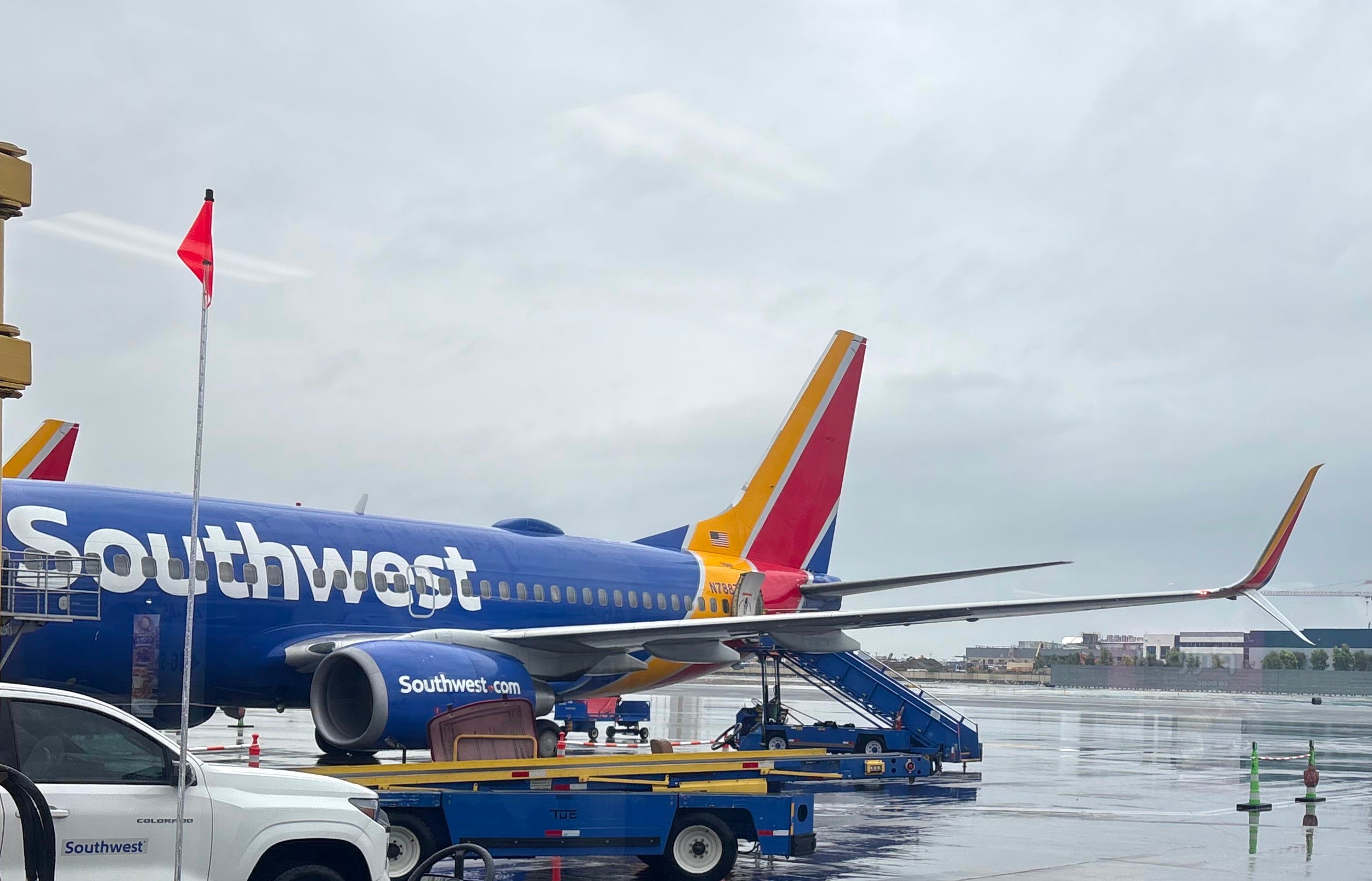
It won’t matter. People who fly Southwest are going to be on autopilot given the long history of open seating. Or they’ll be oblivious on their headphones in the gate area. Or both.
I fully expect onboard conflicts and confrontations as passengers take seats that aren’t theirs out of genuine or feigned ignorance. It won’t matter if there’s a seat assignment on the boarding pass because “I thought I picked my own seat on Southwest??”2
Over time, things will work themselves out, but I expect an interesting first month.
Prediction #2: An Airline Will Outsource Its Inflight Entertainment (IFE)
As some of you know, I lived in the IFE world for over a decade. Every year someone predicts some fatal blow to IFE. When the iPad came out fifteen years ago, you would have thought that every airline in the US was about to rip-out their in-seat screens and let everyone fend for themselves with their magic new tablets.3
This is the year I think an airline says, “We’re out!”
The fact is that airlines spend millions of dollars to license content from studios, not to mention the sizable costs associated with production, delivery, and maintenance. While some airlines have announced partnerships with streaming platforms, those are for content that is still stored onboard the aircraft. Same with content that you currently access wirelessly via your device — it still has to be delivered to the plane. Again this all costs a lot of money.
With a robust enough internet connection, a carrier could conceivably reach a deal with Netflix, Amazon Prime, or another similar service to allow passengers to access their content for free via the web. That’s it. No more loading of files, no more license fees to multiple studios. Even the airlines that have been strong in their commitment to in-seat entertainment might consider that option.
While this move would actually reduce the amount of content available to passengers, airlines could conceivably spin it as a win, given the strength of streaming services’ brands (and their increasing dominance in Hollywood).4
Prediction #3: The Inevitable Robot Takeover Marches Onward
In middle-age, I am leaning deep into my luddite tendencies. I won’t use the self-checkout at the supermarket. I like real books. I still like to print out my boarding pass.5 (Gasp!)
While some of these behaviors are rooted in grumpy nostalgia, they are also rooted in some degree of grizzled practicality. Let me explain. I have no doubt that airlines, airports, and hotels will continue to replace human interaction with automation at every conceivable opportunity. American recently announced it’s testing an agent-less gate at DFW, the next inevitable step in an airport process that is almost entirely digital and without human interaction. While these moves are sold as being more efficient for us travelers, they are primarily done to reduce costs, plain and simple.6
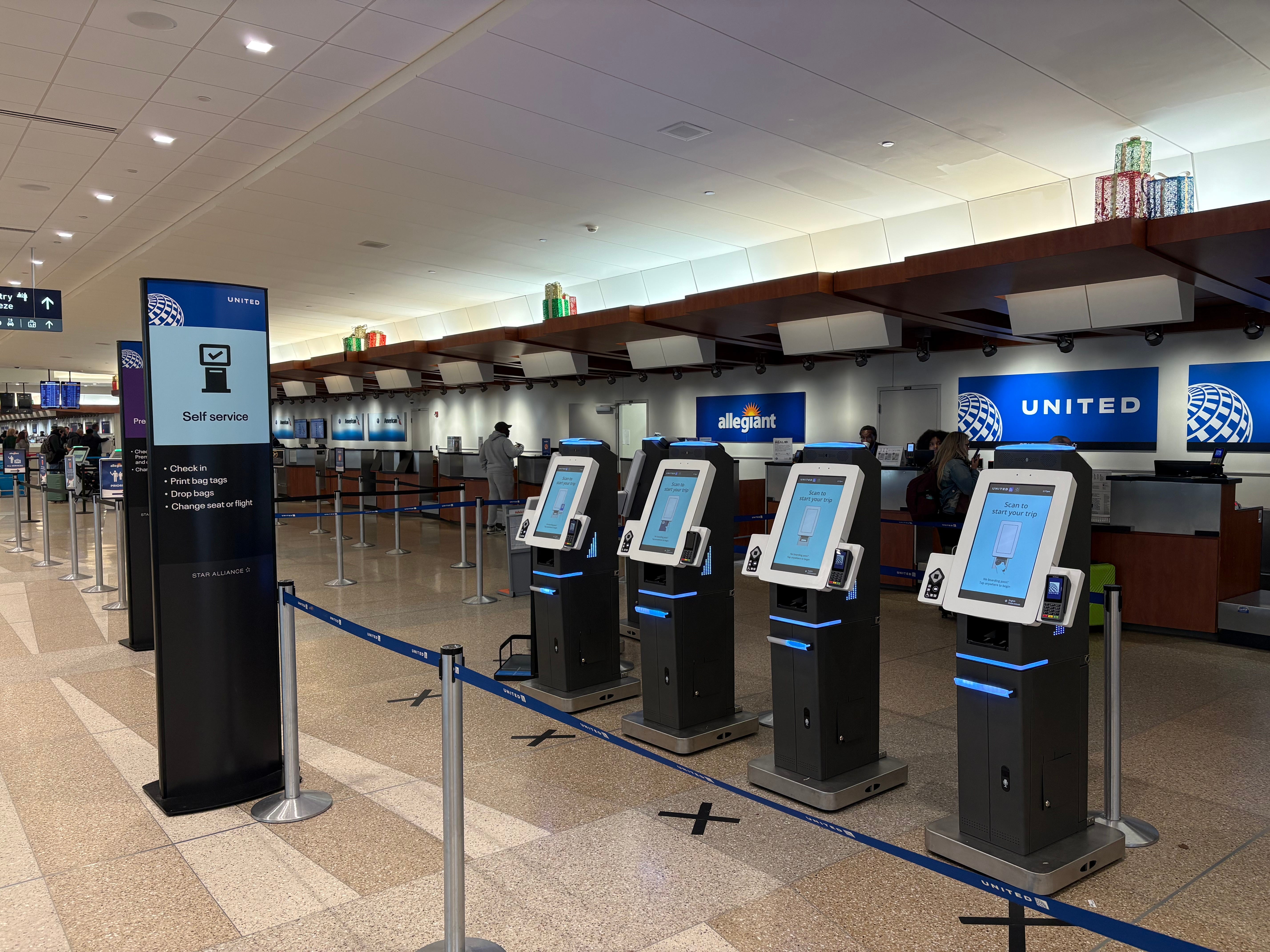
Now, I am not opposed to airlines or airports reducing costs. (Tough business, right!) However, the issue becomes when things go wrong.
And they will.
Instead of airlines or immigration staff facing the problem with the normal compliment of employees, you will now have fewer people to help fix the problem when the passport scanners or boarding pass readers do not work.7 We’ve already seen what happens when the passport readers go down in the UK, not to mention the almost monthly airline IT outages that we hear about in the press.
The continued move to full automation cannot be stopped, but let’s hope that there are the proper contingency plans to go with it when something inevitable happens here in 2026.
I’ll be taking notes on my paper boarding pass.
Kudos and respect to those who book vacation off the jump in January Pam Beesly style
To be fair, this happens to me on flights with assigned seating several times year — people are clueless . . . or are they?
I was at a major airline HQ not long after the iPad launched; the IFE manager was inundated with executive emails asking when they could make the switch
One thing that airlines have struggled to convey is that they get content right after theatrical release from virtually every studio, content that would require you to have multiple streaming accounts on your own
Given the number of people I see at airports desperate to charge their phones, I always wonder why you wouldn’t at least want a back-up!
You’ll never see it in a press release but it’s pretty obvious that less people equals less cost
Nowhere is this more evident than the reduction or elimination of the help-desks in airport terminals — sad, silent ghost towns