

We’re a little late to the big news from last Friday that United will be creating a new “basic” business class fare for its international long-haul, transcon, and Hawaii flights.1 While UA’s competitors in Atlanta had already made noises about such a change, it was the folks in Chicago who decided to make the first move.
The response has been lukewarm at best, and other commentators have already made their feelings known. The short version is this: United is selling this as a way to make business class more affordable for customers who don’t want all the other “extra perks” with their tickets. But, we all know that the “basic” fare will soon be what today’s regular fare costs, and United will use this as a way to move prices up for everyone. We already saw this movie before with the introduction of “basic economy” across the industry.
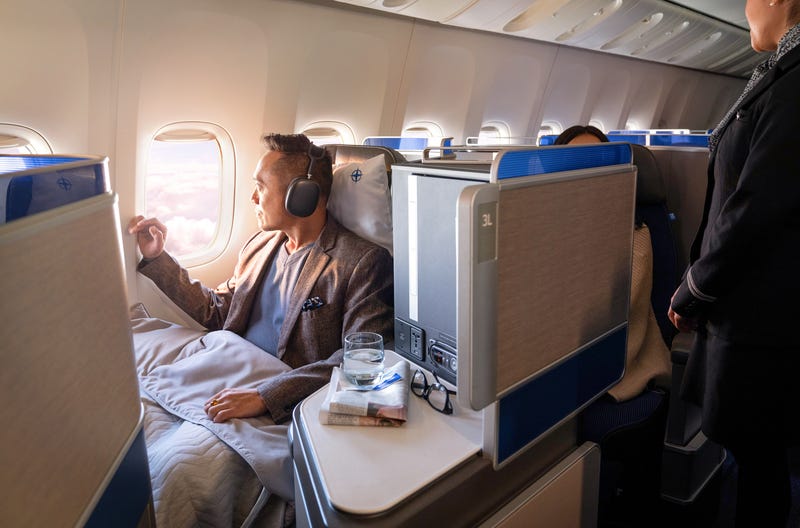
This is United’s (and surely soon Delta’s and American’s) prerogative.2 We just wish they would come out and say it!
Instead, we get a news release that says this new tiered fare structure will make it “easier for customers to find the flight experience that best matches their preferences.”
Please find me the one business class customer at Newark today that says they didn’t really want access to the Polaris Lounge before their flight. Or, better yet, find me the hardcore overseas road warrior who never needs to change their ticket, something you cannot do with the new basic business fare. These are non-starters for the overwhelming majority of international business class travelers — trust us, we know.
The rest of the UA statement is littered with the usual descriptors like “more choice,” along with lots of glossy language about how the new tiered fare structure will appear on united.com.3 Unfortunately, it’s the same kind of messaging that frequent flyers have gotten used to come January when airlines announce their latest “enhancements” to their loyalty programs.4
We know it’s the job of the corporate communications department to put the best possible spin on things, but we’d love a little more candor and a little less ex-post-facto rationalization. One can only stomach so many “changes you will like.”
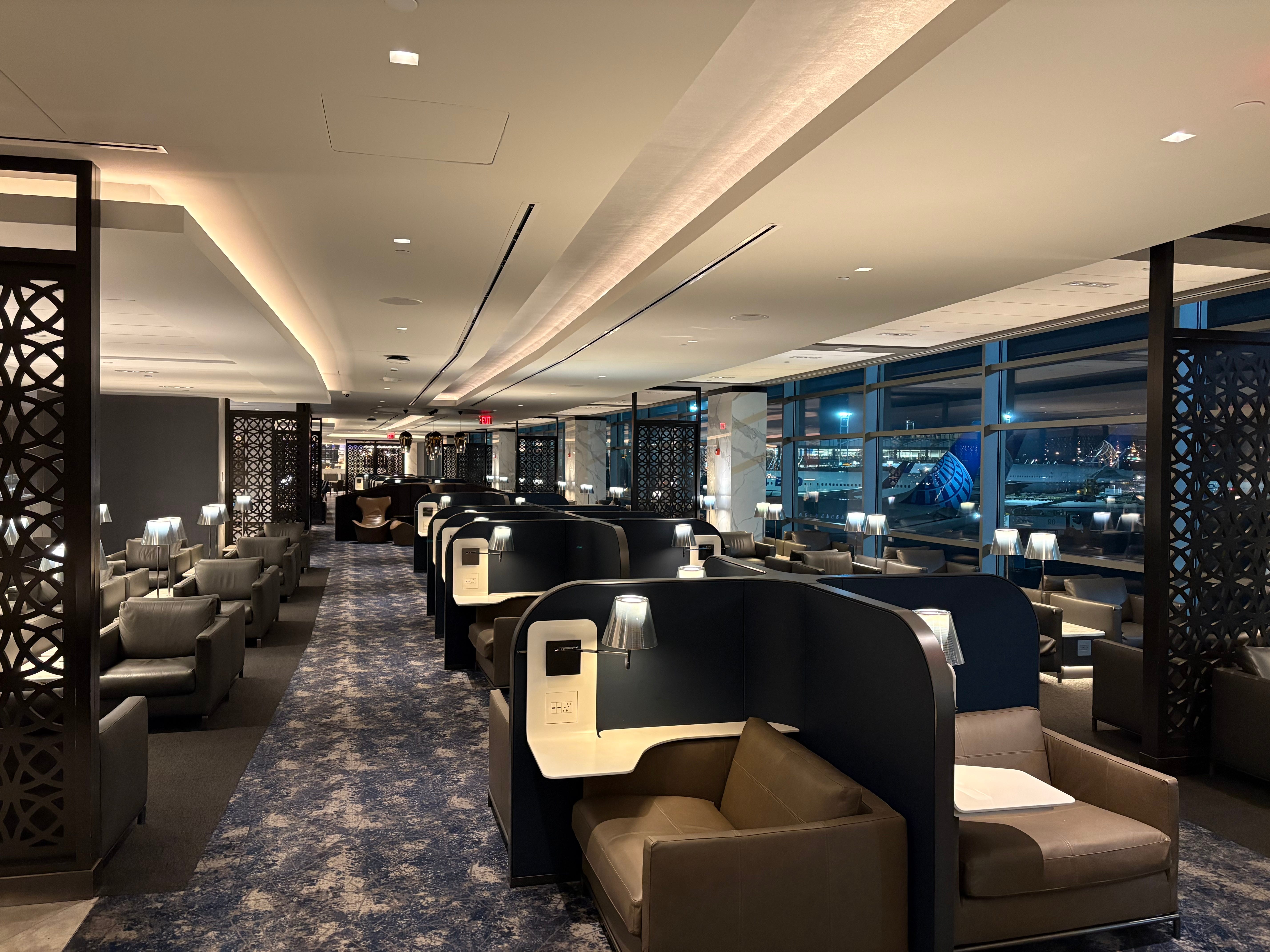
The other less-discussed angle to watch out for in this brave new world of tiered perks is the operational component. Neither the pricing nor the PR folks at UA HQ in Chicago will be the ones at O’Hare who have to tell a basic business class passenger that they can't come into the Polaris Lounge.5 They also won't be the ones to tell the corporate travelers who accidentally got booked into basic that they can’t change their ticket. As usual, those fun assignments fall on the frontline staff. While the revenue modeling for these unbundled offers looks great on paper, the day-to-day reality is always something a little different. And, the more complicated things get, the harder they are to deliver.
At least everyone up front still gets a meal . . . for now.
Notes
We’re used to the Friday news dump in politics, but others can play that game too!
It’s worth noting that Middle Eastern carriers have been doing this in business class for some time
To be fair, united.com and the United app really are industry-leading
Or, in more recent news, when Southwest tried to put a pretty face on the challenges to its new assigned seating model.
We’d be impressed if executives’ confirmed leisure travel had to be booked into “Basic” business — but we’re guessing it won’t
Frustrating to say the least