

The images are rough. News cameras and cell phones are capturing never-ending lines of demoralized air travelers that stretch outside of airport lobbies and into parking garages or onto highways. Wait times of four(!) hours have been commonplace as local TSA teams deal with sickouts thanks to the latest DHS shutdown that has left TSA agents unpaid for weeks.
Then, you hear from some friends that they didn’t have any wait at all! In fact, they can’t remember getting through security that fast ever! They don’t understand what the fuss is about.
And that’s part of the problem with this latest curveball thrown at the airline industry — you never know what you’re going to get. And, if there’s one thing that drives airlines, travelers, airport administrators, Uber drivers, airport food delivery trucks, and Hudson news managers nuts, it’s inconsistency.
But why the differences? How come the line is two hours long in Atlanta and zero minutes long in Fort Lauderdale? Well, there are a lot of reasons, but here are three that come to mind.
1. Some Airports Have Always Stunk
Some people see lines in Atlanta and can’t believe it. Some of us ask, “What else is new?” We can remember lines stretching down the check-in lobby back in 2004.1
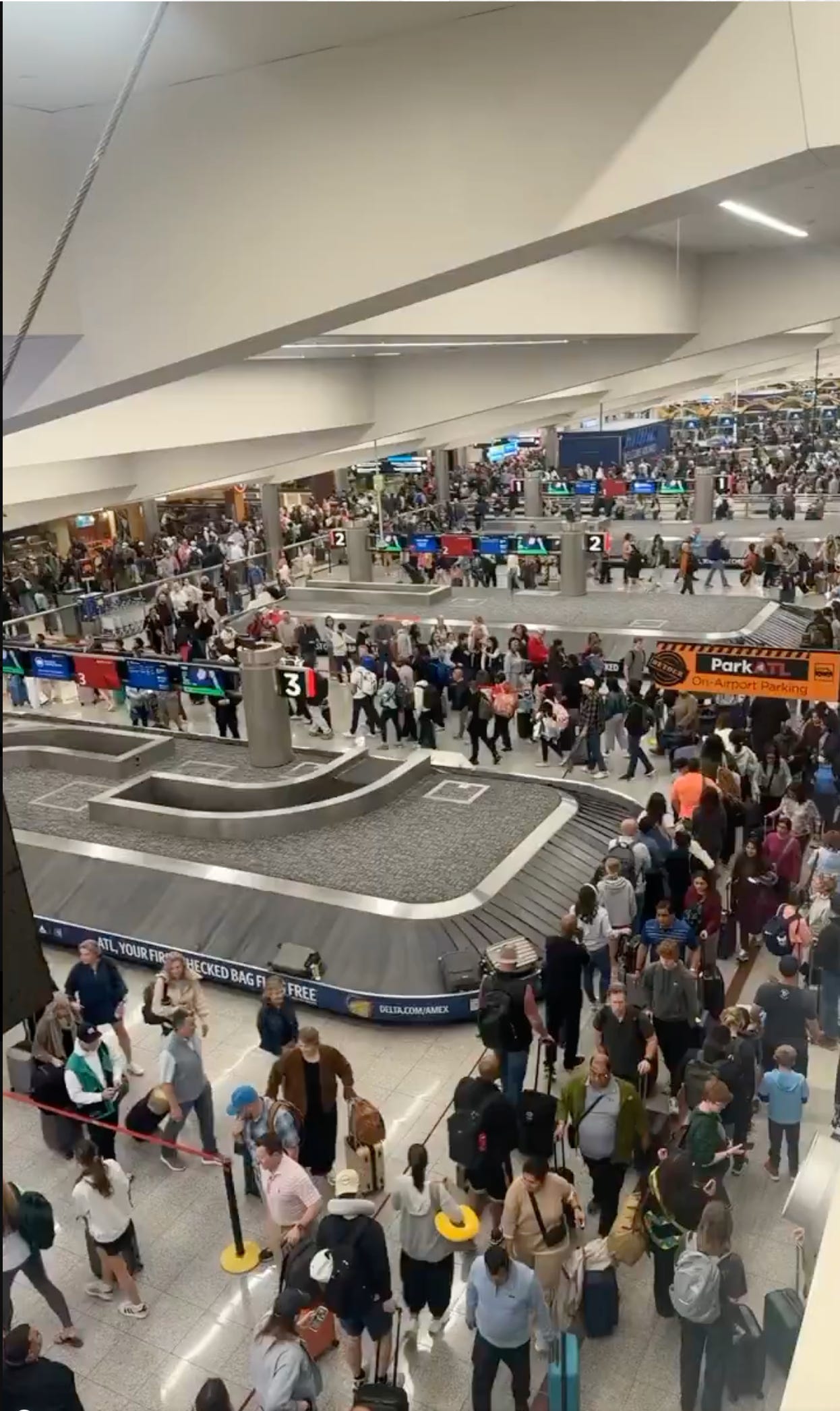
A big reason for this is structural. The overwhelming majority of local ATL passengers access their gates via the main terminal building. While there are many different lines, it’s essentially one very big security checkpoint that everyone must funnel through. Most airports in other large cities have multiple terminals that spread passengers out across different checkpoints. While ATL has made improvements over the years, it can’t overcome physics.2 There’s also no relief airport in Atlanta like there are in other big cities, so all roads lead to Hapeville.3
Even when it’s a “normal” time, we never expect to get through ATL security quickly, and we have all the Pre-Check/Touchless ID/Clear/Clear Plus memberships you can name. Under these circumstances, we might just drive to Birmingham.
2. Size Matters
Speaking of Birmingham, you’ve rarely seen small airports in the news on this. We’ve waxed poetic about small to mid-sized airports before, and once again, this is a time when they shine. Smaller airports naturally need less staff to operate security, and the staff in these airports is generally more consistent and tenured, as who wouldn’t rather screen bags at Norfolk instead of Dulles?
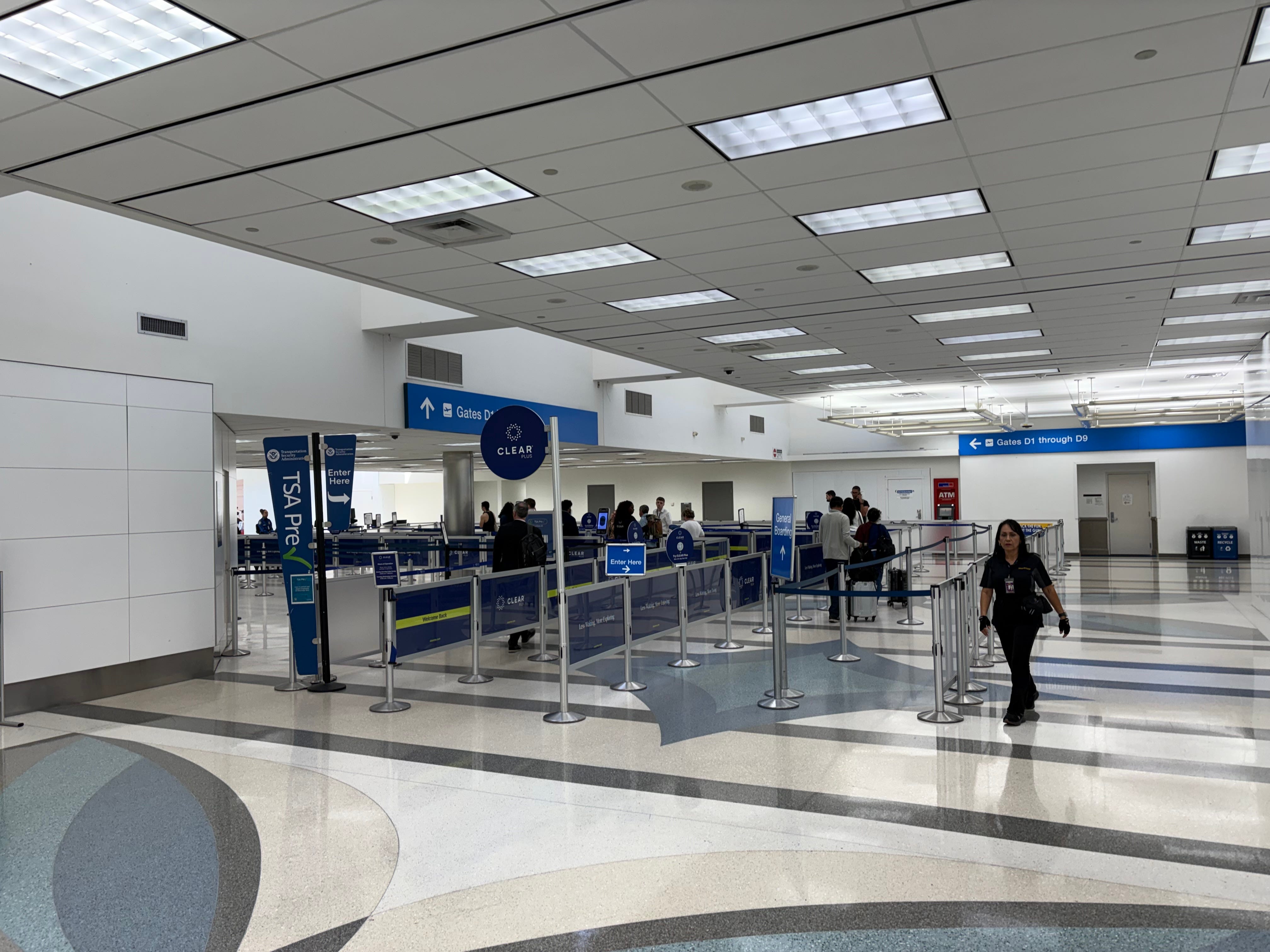
It would not be out of the question for a concerned traveler in Cincinnati to drive to Dayton versus flying out of CVG. Ultimately, the time saved could be worth the trip up I-75.
3. People Like Getting Paid for their Jobs
We’ll avoid a screed on the effectiveness of governmental organizations when it comes to efficiency and logistics. But, we wouldn’t be honest with our readers if we didn’t say that a lot of this comes down to congressional failures, poor planning, and a lack of coordination between airports, the TSA, and airlines. But, more than any of those things, it’s hard to expect people to come to work when they don’t get paid for it, no matter what the job.
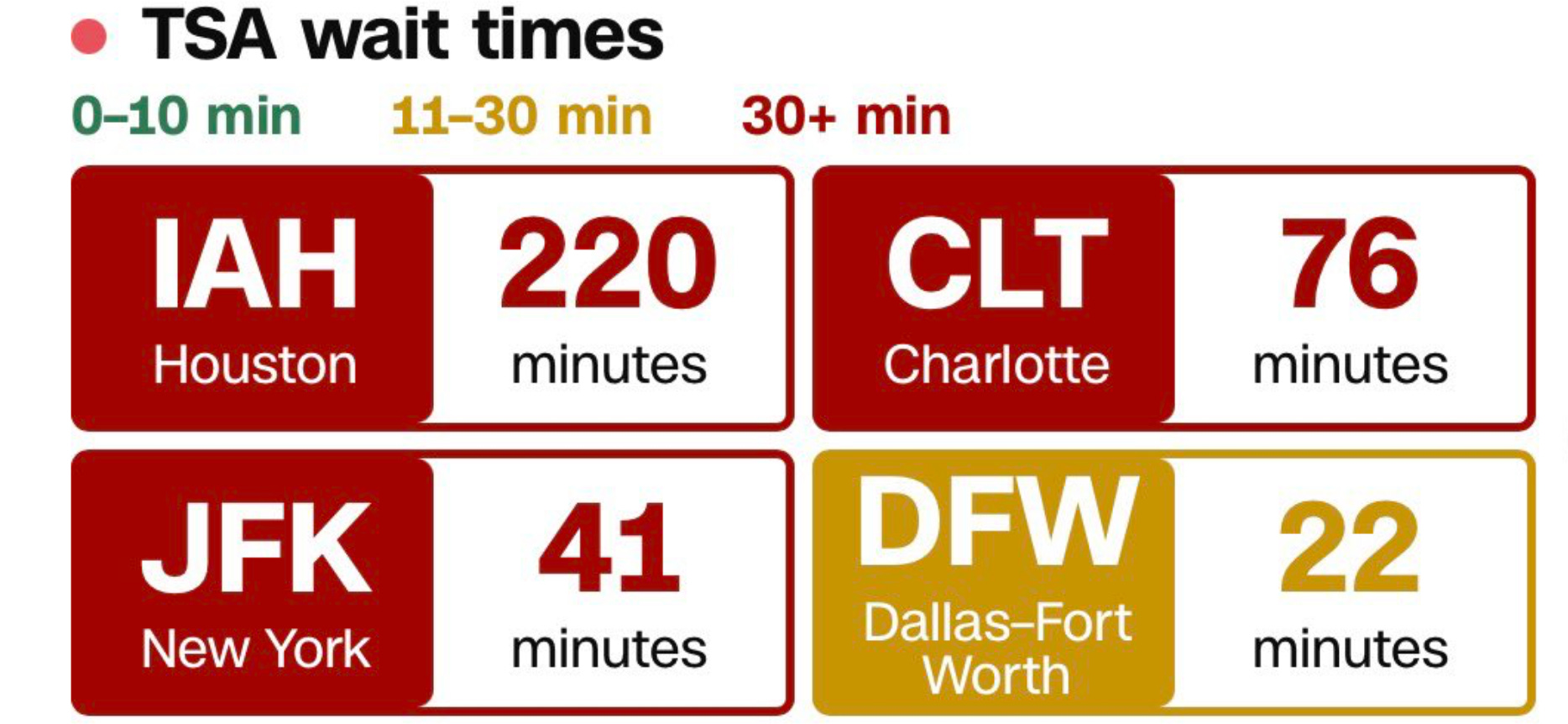
That seems to be the reason why we’re seeing such major issues at Houston Intercontinental.4 IAH has multiple terminals to spread out screening. The city has Hobby Airport downtown that takes on a big share of local passengers. Nevertheless, when your sick call rates are near 35%, there’s just no way to manage that volume of traffic without significant issues. Also, not getting paid in a big city like Houston is probably a little bit tougher than not getting paid elsewhere.5
So what can the industry do about all this? Well, I was pleasantly surprised to see Delta CEO Ed Bastian say, “Enough!” and suspend the special services that DL provides to Congress. While that was satisfying news to a lot of the flying public, it couldn’t have been an easy decision given how much say the federal bureaucracy has over the “deregulated” airline industry. Still, Congress loves to (rightfully) call the airline CEOs in for a grilling when they mess up — this might be the closest thing the airlines can do in return.
Now, let’s get back to worrying about jet fuel prices.
Notes
The rule back then was get to ATL super early on Monday mornings (for all the consultants) and Saturday mornings (for all the vacationers) — this was when DL was half the size it is now
Shout out to my friends in Denver, who have the same central checkpoint structure, but not nearly the same delays
Also home of the original Chick-Fil-A
As of press time, the waits at IAH seem to be down to an hour — still not great, but way better than four
For the record, not getting paid in any city is not good — we’re just speaking relatively here