

Last weekend, trade and financial press were abuzz with the rumor that Spirit Airlines was about to shutdown. Spirit filed for Chapter 11 bankruptcy protection twice in the past year, once in November of 2024 and again in August of 2025. Spirit and other “ultra low cost” carriers have been struggling with rising operational costs, lower domestic travel demand and fierce competition.1 Spirit also had the double whammy of a failed merger with JetBlue and serious engine issues with its new Airbus fleet.
Airline bankruptcies, like severe weather, are catnip to those same trade and financial press. Massive layoffs and potentially stranded passengers make for great storylines, especially when things happen around the holidays. There was a time in the mid to late 2000’s where these filings happened all the time, but the industry has stabilized considerably.2 With this latest news, that press corps smells blood in the water again.
Aside from the genuine human interest angle on airline bankruptcies and shutdowns, the media storylines tend to focus on the big-time banks and other creditors who provide “Debtor-in-Possession” loans to help airlines restructure while they’re still operating. That was the main source of the Spirit rumors, as it appeared their lenders might not provide a necessary cash infusion to operate past the weekend. Contrary to those rumors, the money came through and Spirit keeps flying.
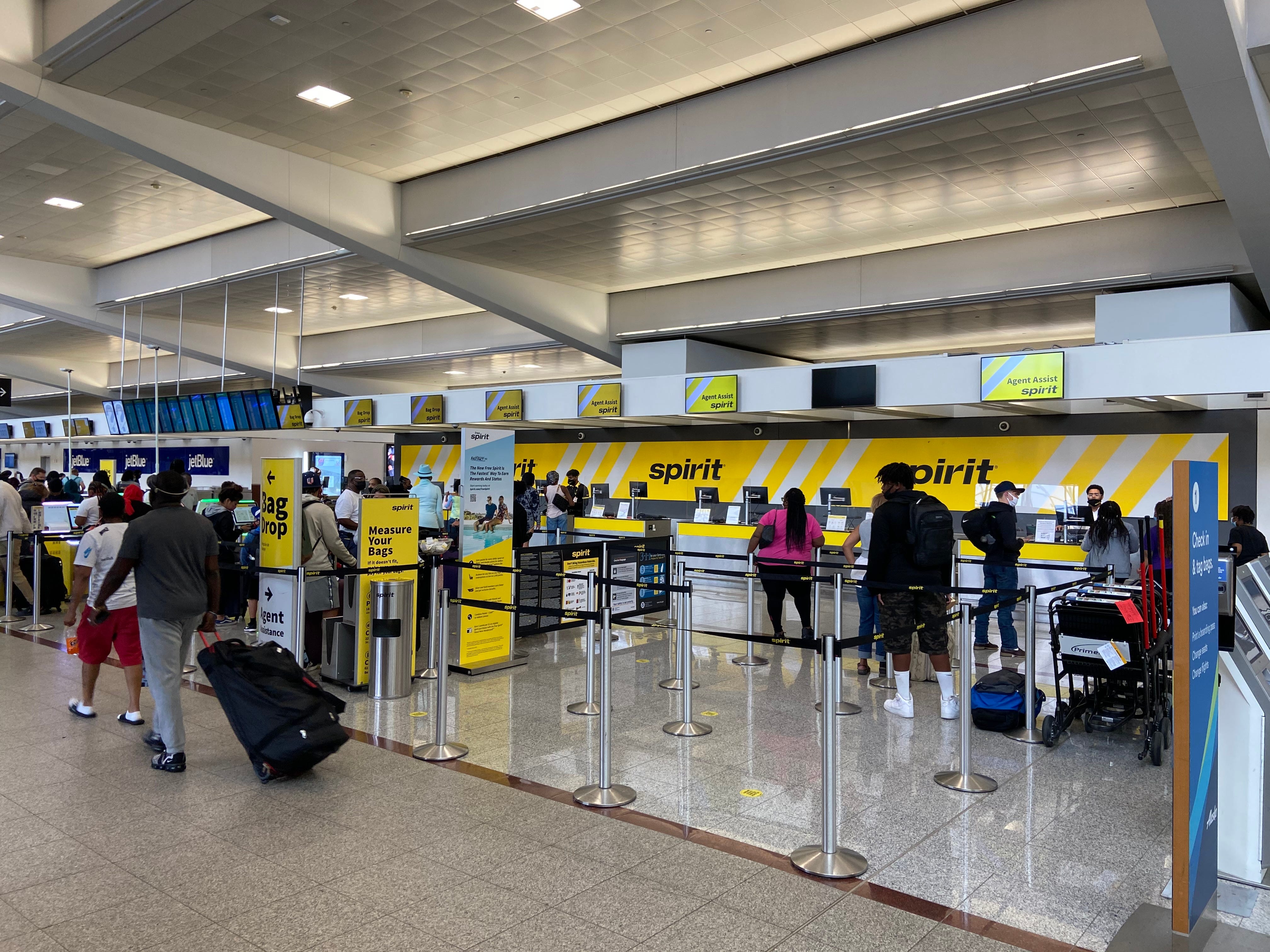
However, there is a whole class of creditors in an airline bankruptcy that rarely gets mentioned: the unsecured creditors. This group consists primarily of an airline’s suppliers, everyone from food and beverage providers to maintenance shops to advertising firms.3 When it comes to airline bankruptcies, these folks don't get the press, but they do get the shaft.
I have the scars to prove it because I have spent most of my career as an airline supplier and an unsecured one at that. I have had several clients file for Chapter 11, both here in the US and abroad. As an airline supplier, you can generally count on experiencing three phases of emotion:
A period of crippling anxiety and tension
No airline files for Chapter 11 out of the blue. There are always warning signs. Your airline clients are stressed, your team is stressed and most importantly, your own finance people are stressed. You can expect your CFO to be calling you to demand that any outstanding invoices be paid immediately. Meanwhile your airline client is being told by their CFO that those invoices aren’t getting paid any time soon.4 Your team is still expected to deliver in the crossfire, all the while wondering if their jobs are at risk.
A period of frustration and finagling
There is a tiny sigh of relief when the filing actually happens, because at least you know what’s coming next as an unsecured creditor. You and your fellow unsecured suppliers will form a committee at the bankruptcy court to try to get paid on any outstanding debts. You probably won’t. If you do, it might not be for years.5 Yet, the expectation is that you will continue providing the same quality service (at a reduced price) because we’re all really in this together as business partners.6
A period of detente and/or disillusionment
If you’re lucky, you will continue your relationship with your client, and your team will have survived to fight another day. But things are unlikely to be the same. Or, if you’re unlucky, your client will decide that they want a “fresh start” as they exit Chapter 11, a fresh start that does not include you.
Anyone with airlines as customers knows that this is a risk when you enter the business. The big suppliers have a team of lawyers and other experts to handle things as they’ve been around this block a few times.
But perhaps there’s a small supplier out there who landed a big agreement with Spirit. Maybe it was a watershed moment for their company. Maybe now they’re worried a liquidation could be a very different kind of watershed moment for their company.
Hang in there, everybody.7
Spirit is often the subject of jokes and criticism, but I haven’t had any issues the few times I have flown them — their First Class, formerly known as the “Big Front Seat” is a perfectly fine way to fly
I spent just over four years as an employee at two different airlines during this industry nadir — I only got to experience three (yes, three) profitable quarters
A lot of people are familiar with the big airline suppliers like Boeing and Airbus, but there are hundreds of very small companies who also help make up the airline supply chain
Probably not the actual airline CFO, but one of their lieutenants in Treasury; the CFO is too busy huddling with the lawyers to see if the airline is going to file that month
A former company of mine was scheduled to have its outstanding debts with a large Asian airline settled over six years after the initial bankruptcy filing
“Business Partners” is my least favorite airline (or other big client) euphemism; it generally gets used in direct proportion to the size of the cost reduction the client is asking for
It’s just now breaking that Spirit and Frontier are in merger talks